


















































The Ultimate Guide to Designing Board Game Components

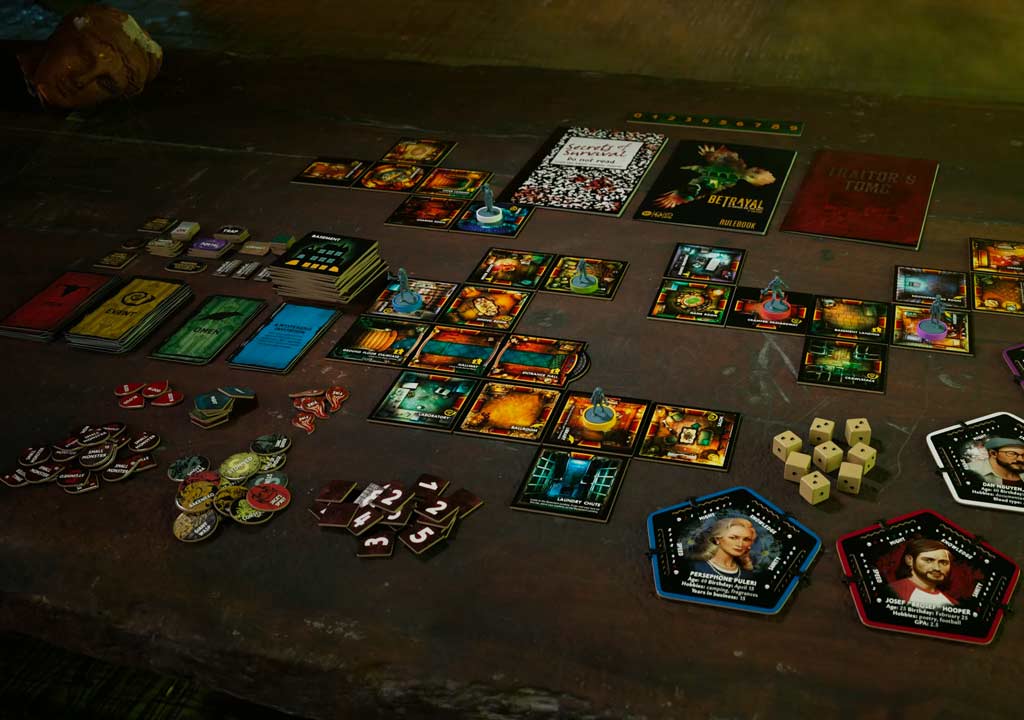
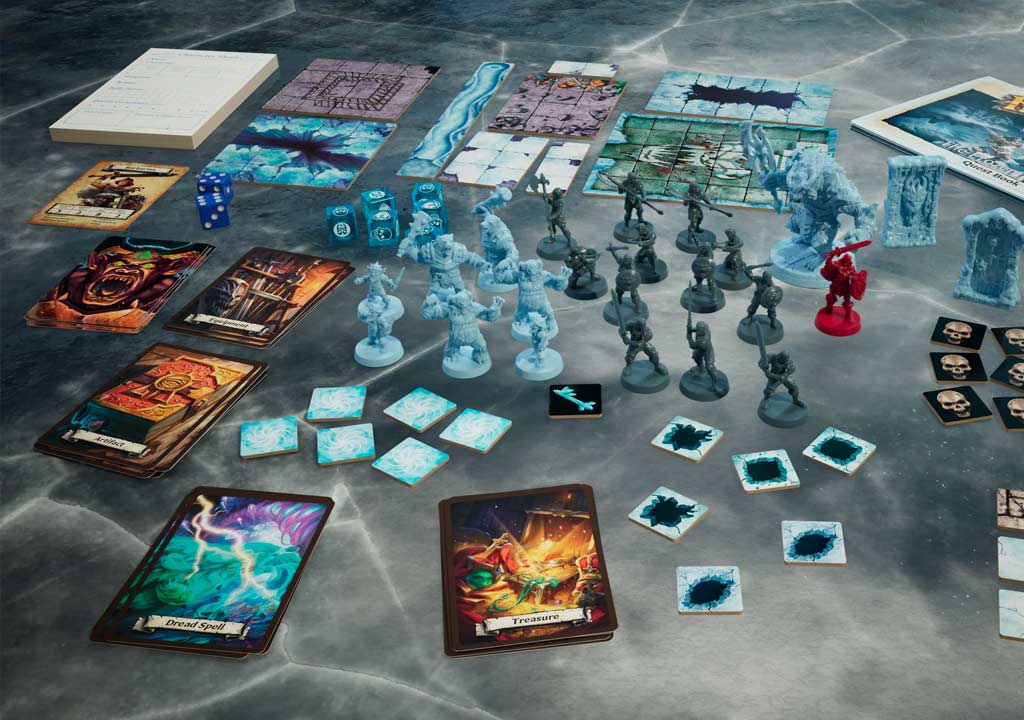
Board games have been a popular form of entertainment for centuries, providing hours of fun and social interaction for players of all ages. One of the key elements that make a board game engaging and immersive is its components. From game pieces and cards to boards and dice, each component plays a crucial role in the overall game experience.
Understand the Game Mechanics
Before you start designing the components for your board game, it's essential to have a clear understanding of the game mechanics. The mechanics of a game refer to the rules and interactions that govern how the game is played. By understanding the mechanics, you can design components that complement and enhance the gameplay experience.
Choose High-Quality Materials
When it comes to designing board game components, quality matters. Choosing high-quality materials for your components can significantly impact the overall look and feel of your game. Consider using durable materials that can withstand frequent handling and provide a satisfying tactile experience for players.
Design Eye-Catching Artwork
Visual appeal plays a significant role in the success of a board game. Eye-catching artwork can draw players in and enhance the theme of the game. When designing the artwork for your components, consider the overall aesthetic you want to achieve and ensure that the artwork is cohesive and consistent across all components.
Consider Functionality
While aesthetics are essential, it's equally important to consider the functionality of your board game components. Components should be designed in a way that makes them easy to use and understand for players. Consider factors such as size, shape, and color to ensure that components are intuitive and user-friendly.
Test and Iterate
Once you have designed your board game components, it's crucial to test them thoroughly. Playtest your game with a diverse group of players to gather feedback on the components. Use this feedback to iterate on your designs and make improvements where necessary. Testing and iteration are key steps in the design process that can help you create components that enhance the overall gameplay experience.
Invest in Prototyping
Prototyping is an essential step in the design process that allows you to bring your ideas to life and test them in a real-world setting. Invest in prototyping materials such as cardboard, paper, and 3D printing to create physical prototypes of your components. Prototyping can help you identify any design flaws early on and make necessary revisions before moving forward with production.
Pay Attention to Detail
When designing board game components, it's crucial to pay attention to detail. Small details such as font choice, iconography, and texture can have a significant impact on the overall look and feel of your game. Take the time to refine and polish your designs to ensure that every aspect of your components is well-crafted and thoughtfully executed.
Consider Accessibility
Accessibility is an essential consideration when designing board game components. Ensure that your components are easy to read and interact with for players of all ages and abilities. Consider factors such as font size, color contrast, and tactile elements to make your game inclusive and accessible to a wide range of players.
Collaborate with Professionals
If you're new to board game design or feel overwhelmed by the design process, consider collaborating with professionals. Graphic designers, illustrators, and game developers can offer valuable expertise and guidance to help you bring your vision to life. Don't be afraid to seek help and leverage the skills of others to create high-quality board game components.
Conclusion
Designing board game components is a creative and rewarding process that requires careful consideration and attention to detail. By understanding the game mechanics, choosing high-quality materials, designing eye-catching artwork, considering functionality, testing and iterating, investing in prototyping, paying attention to detail, considering accessibility, and collaborating with professionals, you can create components that enhance the overall gameplay experience and captivate players. Remember that designing board game components is an iterative process, so don't be afraid to experiment, iterate, and refine your designs until you achieve the perfect balance of form and function.
LIKED THIS ARTICLE? SHARE IT: