















































How to Create Your Own Custom Board Game

Board games have been a popular form of entertainment for centuries, bringing people together for fun and friendly competition. While there are thousands of board games available on the market, creating your own custom board game can be a rewarding and creative experience. Whether you want to create a game for your family, friends, or to potentially sell to a wider audience, this guide will walk you through the process of designing and producing your very own custom board game.
Step 1: Conceptualize Your Game
The first step in creating your custom board game is to come up with a unique and engaging concept. Think about the theme of your game, the objective, and the mechanics that will drive gameplay. Consider what makes your game different from existing board games and how you can make it stand out. Brainstorm ideas, create a rough outline, and start developing the rules of your game.
Step 2: Design the Game Board
The game board is the centerpiece of any board game, so it's important to design a visually appealing and functional board. You can draw the board by hand or use graphic design software to create a digital version. Consider the layout, colors, and overall aesthetic of the board to match the theme of your game. Make sure to include spaces for players to move, place game pieces, and track progress.
Step 3: Create Game Pieces and Cards
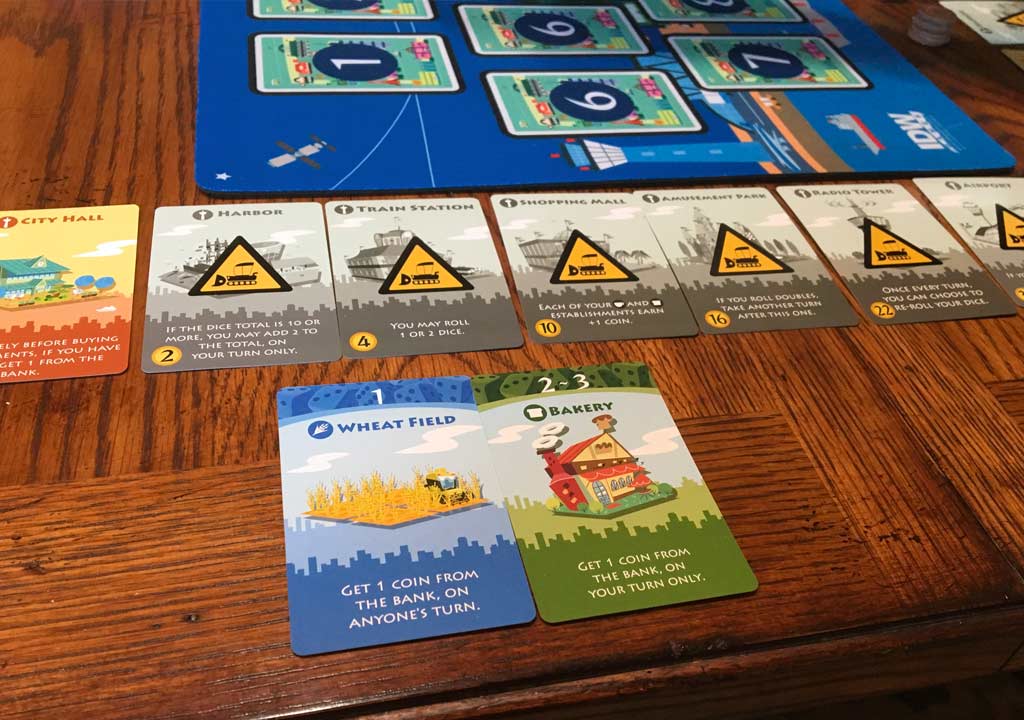
Game pieces and cards add depth and complexity to your board game. Determine what types of game pieces you will need, such as tokens, dice, or figurines, and create prototypes using materials like cardboard, wood, or plastic. Design cards that players can draw from to enhance gameplay, such as action cards, event cards, or resource cards. Make sure the design of your game pieces and cards align with the theme and style of your game.
Step 4: Develop Rules and Gameplay
Rules are an essential part of any board game, providing structure and guidance for players. Develop clear and concise rules that explain how to set up the game, how to play, and how to win. Consider the balance of your game, the player interaction, and the pacing of gameplay. Playtest your game with friends and family to identify any issues or areas for improvement in the rules and gameplay.
Step 5: Playtest and Iterate
Playtesting is a crucial step in the game design process, allowing you to gather feedback and make necessary adjustments to your game. Organize playtest sessions with different groups of players to see how they interact with the game, identify any issues or imbalances, and gather suggestions for improvement. Take notes during playtesting and use the feedback to iterate on your game design, making changes to the rules, components, or gameplay as needed.
Step 6: Finalize and Produce Your Game
Once you are satisfied with the design and gameplay of your custom board game, it's time to finalize the components and produce the game for distribution. Create high-quality prototypes of your game board, pieces, and cards using professional printing services or DIY methods. Consider packaging options, such as boxes or bags, to store and transport your game. If you plan to sell your game, research manufacturing and distribution options to bring your game to a wider audience.
Step 7: Share and Enjoy Your Custom Board Game
Now that you have created your own custom board game, it's time to share it with others and enjoy playing it with friends and family. Host game nights, events, or conventions to showcase your game to a wider audience and gather feedback from players. Consider launching a crowdfunding campaign or seeking partnerships with publishers to bring your game to market. Most importantly, have fun and celebrate your creativity and hard work in bringing your custom board game to life!
Conclusion
Creating your own custom board game is a challenging yet rewarding process that allows you to unleash your creativity and share your passion for gaming with others. By following the steps outlined in this guide, you can design, produce, and enjoy your very own board game that reflects your unique vision and style. Whether you create a game for personal enjoyment or commercial success, the experience of creating a custom board game is a journey filled with excitement, creativity, and endless possibilities.
LIKED THIS ARTICLE? SHARE IT: